











Sensational Skin Centers in Scottsdale stands out as a leading authority in the treatment of skin pigmentation and Melasma issues. With over 25 years of experience in dermatology and skin care, our team is highly skilled in helping clients achieve and maintain a flawless and even skin tone.
Skin pigmentation can manifest in various forms, from superficial spots to deeper discolorations. Skin discoloration can result from the body’s natural response to various triggers, including sun exposure, hormonal changes, and hereditary factors. It is important to note that pigmentation can sometimes be a sign of an underlying medical condition, so a thorough assessment is essential. Understanding the underlying causes is essential for effective treatment, which is why we take a personalized, comprehensive approach for each client. Our range of treatments is tailored to meet individual needs and may include topical solutions, which involve creams and serums designed to lighten and even out skin tone.
For cases requiring a more aggressive approach, we also offer advanced options such as oil control treatments, laser therapy, and chemical peels. These methods are often employed to target stubborn pigmentation, providing clients with visible results in a safe manner. The body produces more melanin as a defense mechanism against UV radiation, which can lead to pigmentation issues, especially in individuals with darker skin or darker skin tones. Hereditary factors and hormonal factors can also play a significant role in the development of pigmentation problems.
If you are currently undergoing treatment and have noticed that your pigmentation is worsening, please rest assured that we have the experience and knowledge to help you navigate this challenge. Certain treatments or factors can actually worsen hyperpigmentation, so seeking professional guidance is important to avoid aggravating the condition. Our expert team is committed to developing an effective strategy to reverse and manage pigmentation issues, ensuring that you feel confident and satisfied with your skin’s appearance. Sensational Skin Centers in Scottsdale is a premier expert in treating skin pigmentation. With over 25 years of experience, we know how to achieve and maintain even skin tones. Some pigmentation issues are superficial, while others are deeper and require a different approach. Treatments for spots or pigmentation can range from topical solutions to more aggressive methods, including oil control, lasers, and chemical peels. If you are currently undergoing treatment and your condition is worsening, we have the knowledge and expertise to help reverse and control pigmentation issues. Maintaining overall skin health is also an important part of a comprehensive pigmentation treatment plan. Preventative measures to prevent hyperpigmentation are also a key component of our approach, helping you maintain long-term results.
Introduction to Hyperpigmentation
Hyperpigmentation refers to a common skin condition where certain areas of the skin become darker than the surrounding skin due to increased melanin production. This can result in dark spots or patches that affect people of all skin tones. Sun exposure is one of the leading causes, as ultraviolet (UV) rays stimulate melanin production, leading to uneven skin tone and discoloration. Melanin, especially eumelanin, helps protect the skin from UV damage and reduces the risk of developing skin cancer, but excessive sun exposure can still lead to pigmentation issues. Other factors, such as hormonal changes and skin injuries, can also trigger hyperpigmentation. The most common types include melasma, post inflammatory hyperpigmentation, and age spots. Understanding what causes these changes in your skin is the first step toward finding the right treatment and maintaining a healthy, even complexion.
Causes of Hyperpigmentation
Hyperpigmentation can develop for a variety of reasons, both internal and external. Sun exposure is a primary factor, as UV rays prompt the skin to produce more melanin, resulting in dark spots and patches. Hormonal changes, such as those experienced during pregnancy or with certain medications, can also lead to increased pigmentation. Skin injuries—including those from acne vulgaris, a common skin condition characterized by inflammation, pimples, and clogged pores, as well as burns or other trauma—may cause post inflammatory hyperpigmentation, where the skin darkens as it heals. Genetics can play a role, making some individuals more prone to developing pigmentation issues. Additionally, certain medical conditions and medications can contribute to changes in skin pigmentation. Recognizing these causes can help you take steps to prevent and treat hyperpigmentation effectively.
Types of Hyperpigmentation
There are several distinct types of hyperpigmentation, each with unique characteristics and causes. Melasma is a common form that appears as brown or gray patches, often on the face, and is frequently linked to hormonal changes. Post-inflammatory hyperpigmentation develops after the skin experiences injury or inflammation, such as from acne or burns, resulting in dark spots or patches as the skin heals. Age spots, also known as liver spots, are small, dark areas that typically appear on sun-exposed skin as a result of long-term sun exposure. Each type of hyperpigmentation requires a tailored approach to treatment, making it important to identify the underlying cause for the best results.
Liver Spots and Age Spots
Liver spots and age spots are among the most common forms of hyperpigmentation, typically appearing as small, dark spots on areas of the skin that receive frequent sun exposure, such as the face, hands, and shoulders. These spots are generally harmless but can be a cosmetic concern for many individuals. Topical creams and laser therapy are effective options for fading these dark spots and restoring a more even skin tone. While liver spots and age spots are usually benign, it’s important to consult a dermatologist to rule out any underlying medical conditions. Prevention is key—using a broad spectrum sunscreen daily helps protect your skin from UV damage and reduces the risk of developing new spots.
Skin Care for Hyperpigmentation
Managing hyperpigmentation starts with a dedicated skin care routine designed to address the appearance of dark spots and regulate melanin production. Consistent skin care is essential for fading existing discoloration and preventing new spots from forming. Begin with a gentle cleanser to remove impurities without irritating the skin, followed by a targeted serum or cream formulated to lighten dark spots and even out skin tone. Look for ingredients that help control melanin production and support healthy skin, such as vitamin C, kojic acid, or azelaic acid cream.
Moisturizing daily helps maintain the skin’s natural barrier, which is especially important for those with sensitive skin or darker skin tones who may be more prone to skin irritation. The most crucial step in any skin care routine for hyperpigmentation is sun protection. Applying a broad spectrum sunscreen with a high sun protection factor every morning shields the skin from harmful UV rays, which can trigger excess melanin production and worsen dark spots. For best results, choose products that suit your unique skin type and address your specific concerns, ensuring your skin care routine supports both the treatment and prevention of hyperpigmentation.
Your Treatment Options to Treat Hyperpigmentation, Brown Spots/Melasma/Sun Damage
Topical Options – Topical Prescription medications are highly effective in significantly reducing the appearance of hyperpigmentation, brown spots, and damage caused by sun exposure. These medications often contain active ingredients that target melanin production, leading to a more even skin tone. Commonly used ingredients include vitamin C, kojic acid, glycolic acid, lactic acid, and tranexamic acid, which help reduce hyperpigmentation, lighten dark spots, and promote skin brightening. Folic acid and natural oils are also incorporated in topical treatments and natural remedies for skin lightening and improving overall skin health. These methods can also be used for lightening skin tone in addition to treating pigmentation.
Topical treatments, in particular, can provide substantial benefits for individuals dealing with severe hyperpigmentation. They work by promoting skin cell turnover, correcting uneven texture, and ultimately improving the overall quality and radiance of the skin. Regular use of these medications can result in a brighter complexion and a smoother skin surface, making them a valuable option for those seeking to enhance their skin’s appearance and health.
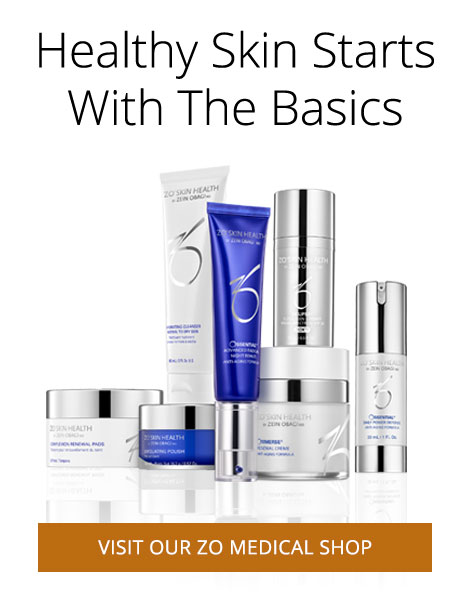
ZO Medical – Medical skincare products that significantly enhance the skin, restoring it to a healthy natural state. ZO products effectively treat hyperpigmentation, melasma, brown spots, and other skin conditions. Medical skincare items also help prevent future damage and protect the skin. These products may include tyrosinase inhibitors and antioxidants such as green tea extract to help lessen hyperpigmentation and restore the natural skin tone.

PhotoFacial/ Broad Band Light – This treatment uses light energy to penetrate the surface of your skin, helping to improve pigmentation and reduce the appearance of sun damage and sunspots. After just one session, you will notice a more even skin tone and a smoother texture. Laser treatments and laser therapies are advanced options for treating hyperpigmentation, but should be carefully considered for sensitive skin and ethnic skin types to avoid adverse effects. Individuals with dark skin may be at higher risk for side effects such as hyperpigmentation, hypopigmentation, burns, or scars from these treatments, so careful assessment is essential.

Microneedling is effective in reducing hyperpigmentation by removing the top layer of skin, which helps to restore normal melanocyte function. This procedure is particularly beneficial for patients who are sensitive to pigmentation-induced heat lasers. By exfoliating the outer layer of skin, microneedling minimizes the appearance of brown spots and sun damage. Microneedling can also help with acne scars and dark patches, and is often combined with other treatments like topical steroids or salicylic acid to address skin inflammation and promote healing. One of the key advantages of microneedling is that it offers treatment without the use of lasers, which can sometimes exacerbate pigmentation issues for certain individuals.
Chemical Peels – Chemical peels, such as the 3-step peel and the Obagi Blue Peel, are powerful solutions for hyperpigmentation and discoloration. By removing damaged surface layers of your skin, these peels effectively restore your skin’s vibrance with minimal downtime. Chemical peels often use glycolic acid and lactic acid to exfoliate skin cells, lighten skin, and improve the appearance of dark patches and acne scars.
At our clinic, we specialize in treating pigmentation issues and are committed to helping you achieve and maintain an even skin tone.
A combination of natural remedies, topical agents, and advanced procedures can be used for treating melasma, treating hyperpigmentation, and preventing or reducing hyperpigmentation. These approaches aim to restore a healthy, natural skin tone, lighten skin, and support overall skin health.
Benefits of Professional Treatment
Seeking professional treatment for hyperpigmentation offers significant advantages for achieving clearer, more radiant skin. Dermatologists can recommend targeted solutions such as topical creams, chemical peels, and laser therapy, each designed to address specific types and severities of pigmentation. These treatments help to fade dark spots, even out skin tone, and improve overall skin texture. Professional guidance ensures that your treatment plan is safe and effective for your unique skin type, minimizing the risk of skin irritation or worsening pigmentation. In addition, dermatologists provide valuable advice on maintaining healthy skin and preventing future discoloration, supporting your journey to a brighter, more confident complexion.
How Much Does Hyperpigmentation Treatment Cost in Scottsdale for Darker Skin Tones?
Treatment costs typically start at $600, depending on the severity of the condition and the number of sessions required. During your consultation, we’ll review your current skincare products to help you save money by incorporating what you already have when possible.
Find out more by free in person a consultation. Text us 480.596.9111 to get more info.
Schedule a Consultation
Schedule your consultation for Hyperpigmentation in Scottsdale– contact Sensational Skin and set up your appointment. During your appointment, you will be able to ask questions and bring up any concerns you may have about the procedure. Contact us today to get the look you’ve always wanted!